
Invisalign vs. Traditional Braces: Which Is Better for Cary Patients?

Straightening your teeth used to mean one option: metal brackets and wires for a year or two, with checkups every few weeks to keep things moving. Now, the decision usually comes down to comparing the classic approach with Invisalign®, and it isn't always obvious which one fits daily life better. Invisalign in Cary, NC, has become a common alternative for people who want straighter teeth without the look or the upkeep of traditional hardware. A closer look at Invisalign treatment shows how it actually compares to wires and brackets, starting with how each one works.
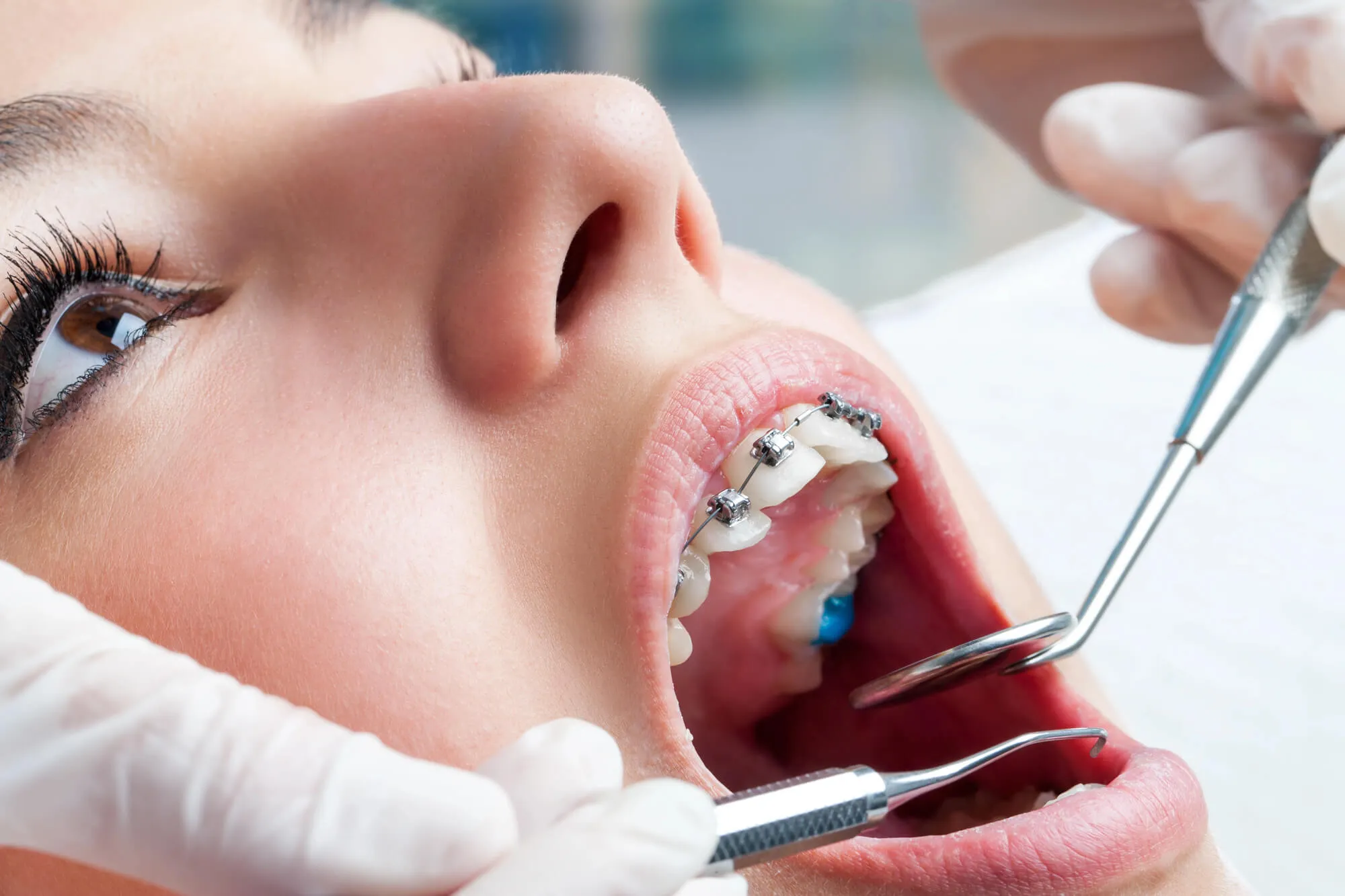
Invisalign vs. Traditional Braces: What Actually Differs
How Each Option Straightens Teeth
Traditional braces use metal or ceramic brackets bonded to each tooth, connected by a wire that gets tightened at regular visits to gradually shift teeth into place. How braces work hasn't changed much in decades, and the approach remains effective for complex bite issues that need more control than trays alone can offer. Invisalign® takes a different route: a series of clear, custom-fitted trays swapped out every one to two weeks, each one moving teeth a little further without any metal touching them at all.
Comfort, Appearance, and Daily Life
Brackets and wires stay on your teeth around the clock, which means more to think about when it comes to food and brushing. Clear aligners come out for meals and cleaning, then go back in for the eighteen-plus hours a day treatment calls for. That flexibility is part of why aligners appeal to people already working toward a broader smile makeover, since straighter teeth often set up better results for whitening or bonding down the line. Either option adds to your daily routine: braces require extra care when brushing around brackets, while proper aligner care keeps trays clear and comfortable during those long daily hours.
Getting Started: What a Consultation Looks Like
The decision usually gets made on the exam, not before it. Expect a look at your bite and spacing, a conversation about daily habits and how much visibility bothers you, and honest input on whether your case needs more than trays alone. Digital scanning technology builds a precise picture of your teeth during the first visit, which helps map a plan, whether it ends up being Invisalign or traditional brackets and wire.
Once treatment starts, dental checkups continue on their usual schedule so progress and everyday oral health both get tracked.
That exam is often what settles the question. A few signs it tends to point toward Invisalign:
- Crowding or spacing is mild to moderate
- A less noticeable option matters day to day
- Removability for meals and brushing is a priority
- There's no complex bite issue involved
Frequently Asked Questions
Is Invisalign as effective as braces?
For mild to moderate cases, yes. We'll let you know during a consultation if your case is better suited to another approach.
How long does Invisalign treatment take?
It varies, but many cases wrap up in twelve to eighteen months, sometimes less.
Can adults use Invisalign, or is it mainly for teens?
Both. We see plenty of adults choose Invisalign for the same reasons teens do: comfort and greater discretion.
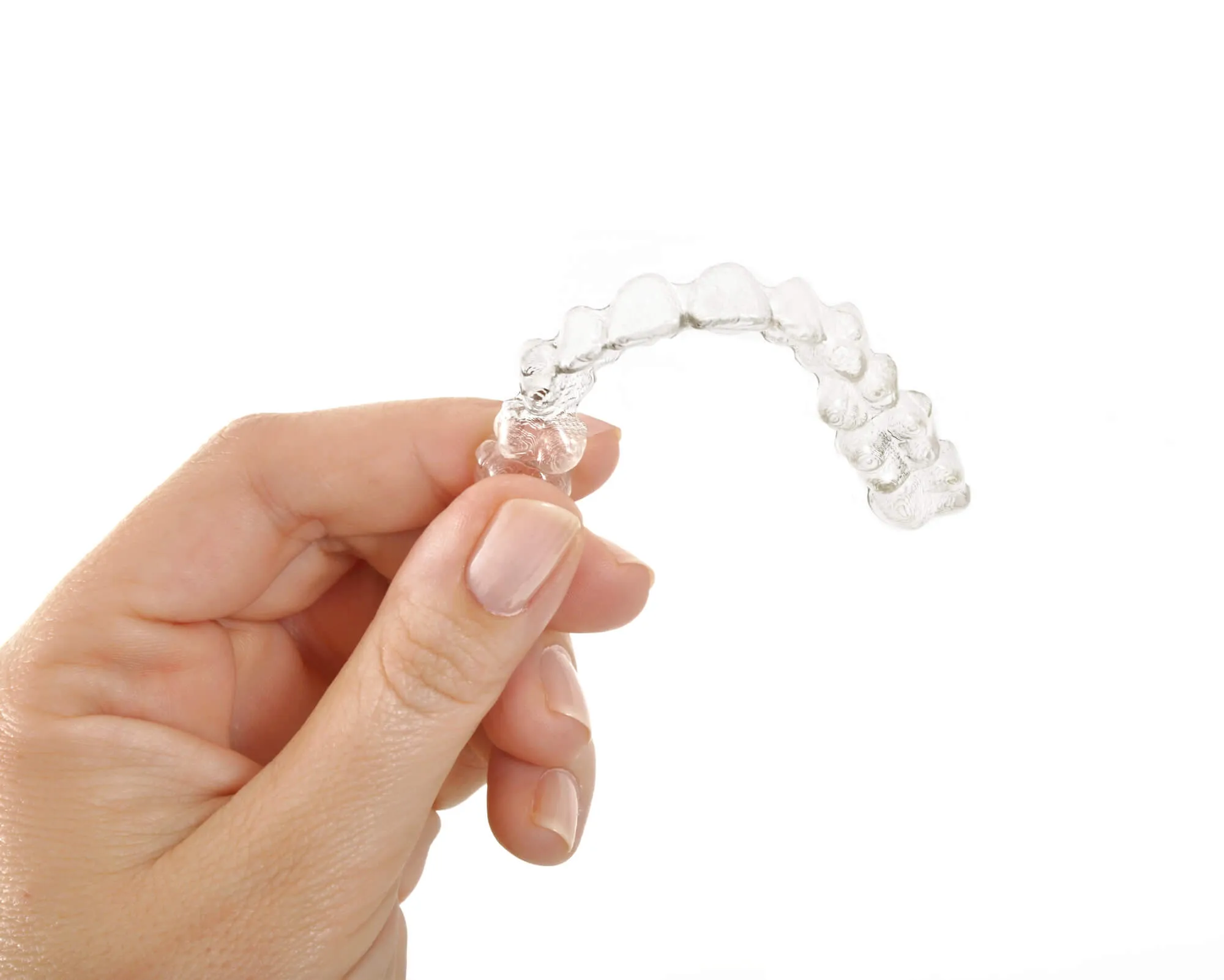
See If Invisalign in Cary, NC, Is Right for You at Crossroads Family Dental
Every smile moves differently, and the best way to know which option fits is a conversation, not a guess. Crossroads Family Dental keeps that first conversation simple and pressure-free. Contact Crossroads Family Dental to schedule a consultation and see where you stand.
*Invisalign®, the Invisalign logo, and iTero®, among others, are trademarks and/ or service marks of Align Technology, Inc. or one of its subsidiaries or affiliated companies and may be registered in the U.S. and/or other countries.
Ready to Book Your Appointment?
Contact our team to get started. We look forward to seeing you!